HISTORY

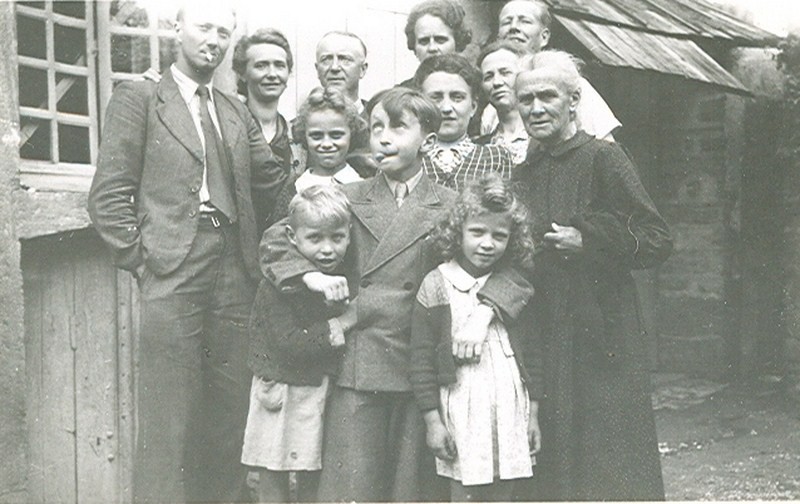
The history of the Serrigny estate dates back to the 19th century, more precisely to 1840, when our ancestor Eugène Serrigny began cultivating vines in Savigny-Lès-Beaune. Initially, it was not a business venture but rather a passion that he pursued with joy and enthusiasm. At that time, Burgundy wines did not have the reputation they enjoy today, which made marketing them very difficult.

Armed with courage and determination, our ancestors succeeded in distinguishing themselves and expanding the estate’s cultivated area to just over 3 hectares. Over the following decades, the estate grew to cover nearly 5 hectares of farmland.
In 1995, when the estate was at its peak, our father passed away suddenly, leaving us with the heavy responsibility of ensuring the company’s future. Drawing on the expertise passed down by our ancestors, we rose to the challenge by being involved in every stage of the process: the vineyard, the winery, the cellar, and the tasting room.

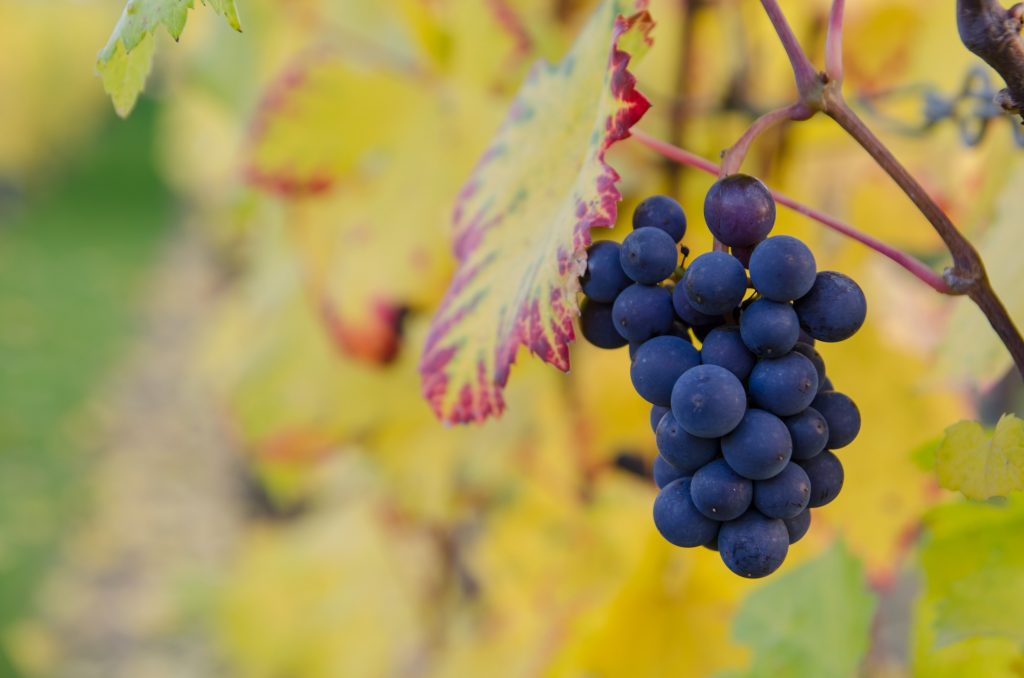
We now cultivate nearly 8 hectares across 17 appellations, ranging from Bourgogne Aligoté to the prestigious Corton Charlemagne Grand Cru.

The Terroir

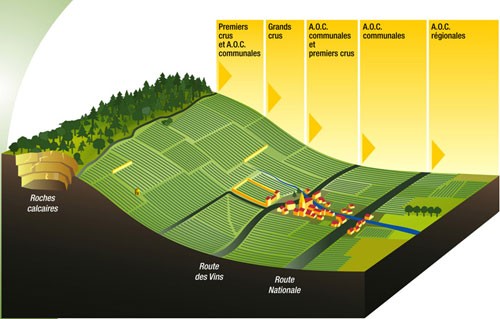
The notion of “Terroir” has its roots in the work of the monks, who discovered, identified and then developed the Terroirs. It took centuries of hard work for this concept, whose origins date back to the early Middle Ages, to cross time and be officially recognised with the creation of the I.N.A.O. and the appellations of origin.

The essence of the Terroir is above all the subsoil and the soil from which the vine draws its nutrients and composes the secret alchemy of colours, aromas and flavours.

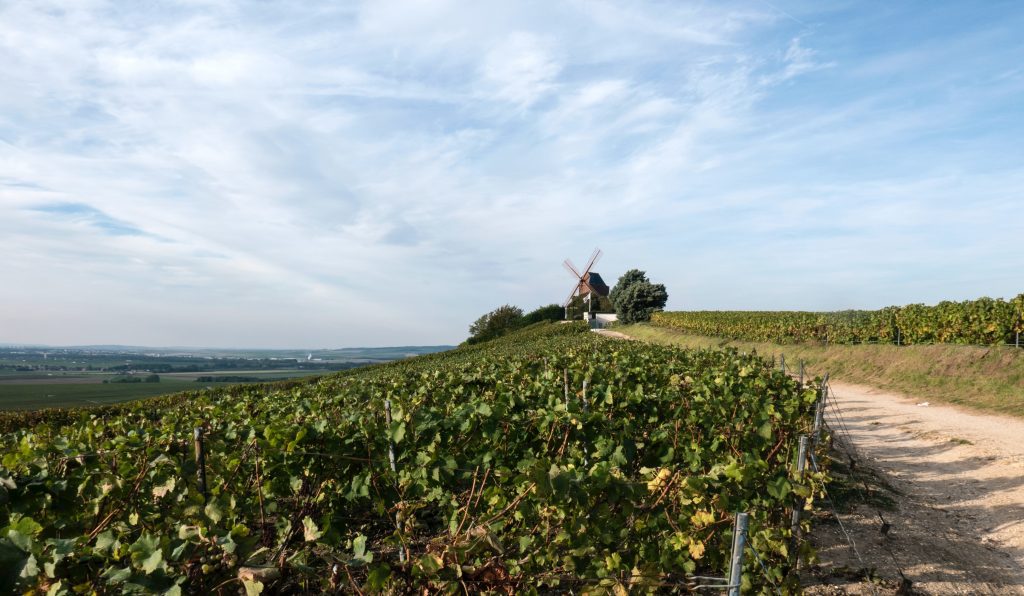
If the nature of the soil is the key element of the Terroir, many other natural factors have an influence on the quality, typicity and expression of a wine: the exposure of the plot, its altitude, the depth and drainage of the soil, the climatic conditions of the year, the microclimate.

Lastly, the role of man is a determining factor in the production of a wine: in the vineyard according to the choice and application of cultivation methods, from pruning to harvesting, and in the cellar during the vinification and maturing of the wine.

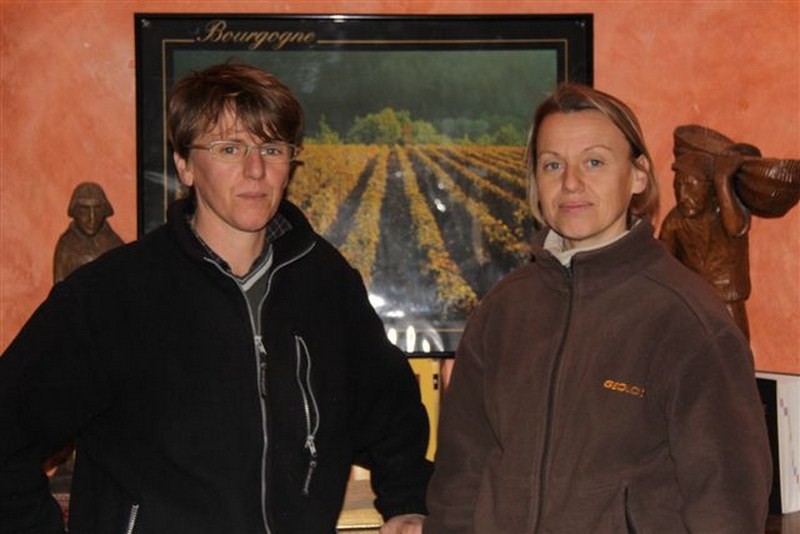
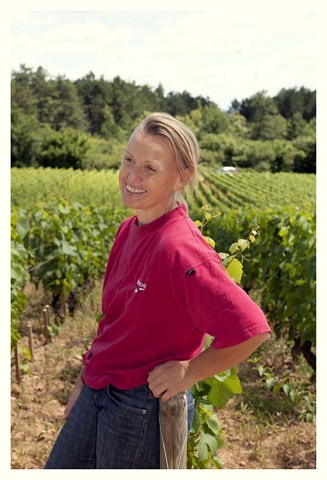
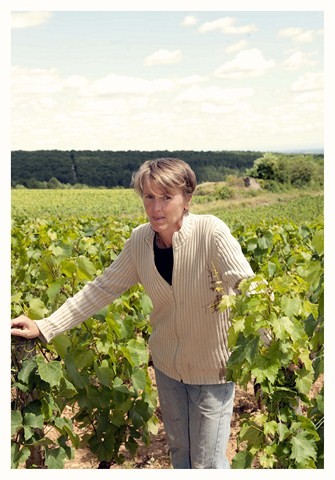
Francine & Marie-Laure

Marie – Laure, the eldest, after having learned theory at the Beaune wine school like many children of local winegrowers, arrived on the estate as an employee of her father in 1988 at the age of 18.
Indeed, from a very young age, she accompanied her grandfather to the vineyard where the latter taught her all the secrets of working the land (pruning, evasion, disbudding, ploughing, etc.).

It was not until 1995 that Francine joined her sister.

Before that, Francine had obtained a scientific baccalaureate at the Clos Maire high school in Beaune and then went on to study pharmacy.

However, the appeal of the Terroir being the strongest, Francine decided to change course and entered the Beaune Wine School in 1994 to learn the different lessons that every winegrower needs to manage his estate in the best possible way.

Translated with www.DeepL.com/Translator (free version)

Everything was precipitated by the sudden death of their father in 1995. Marie – Laure and Francine found themselves propelled to the head of the Domaine at the age of 25 and 23 respectively.

Inseparable for more than 20 years, Marie-Laure found herself alone in managing the estate following since 2016. Marie-Laure set herself the goal of maintaining the same passion for her work, whether in the vineyards or in the cellar. This same passion is why the estate produces exceptional wines while respecting the expertise and traditions passed down by our ancestors.